|
Your Position:Home >> Automatic Car Wash Machine>> Sanitation Vehicle Wash Machine Series/Special Vehicle Wash Machine Series
Hazardous waste vehiclesCar Wash Machine_automatic cleaningEquipment-KMRON KM-HSeries(Latest Model)
Hazardous waste hazards
Hazardous waste not only includes medical waste, but also includes industrial hazardous waste, chemical hazardous waste, laboratory hazardous waste, as well as household hazardous waste, etc. Hazardous waste has one or more hazardous characteristics such as corrosiveness, toxicity, flammability, anti reactivity, and infectivity. What are the hazards of hazardous waste?
Main hazards of hazardous waste:
1. Breaking the bad ecological environment, the indiscriminate discharge and storage of hazardous waste in rainwater fields, and the infiltration and diffusion effects during the long period of water below, will pollute water bodies and soil, reducing the environmental performance level of the region. meanwhile, Stacking not only occupies a large amount of land, leading to the degradation of available land resources, but also a large amount of toxic waste or liquid is released into the natural environment, which is very easy to come into contact with the soil. Once toxic substances and hazardous waste enter the soil, they will be adsorbed by the soil, causing pollution to the soil, killing soil microorganisms and protozoa, damaging the soil's microecology, and ultimately reducing the soil's ability to degrade pollutants; Substances such as acids, alkalis, and salts that affect them will alter soil properties and structure, leading to soil acidification, alkalization, and hardening, affecting plant root development and growth, and disrupting the ecological environment; meanwhile, Many toxic substances and heavy metals can accumulate inside the plant body, causing severe damage to the liver and nervous system, leading to cancer and fetal malformations.
2. Water Supply Pollution: Hazardous waste can contaminate water bodies through various pathways, such as entering rivers and lakes with surface runoff, or migrating with the wind and falling into water bodies. Especially, harmful substances can easily flow into rivers, lakes, and seas due to rainwater, causing severe water pollution. Most serious hazardous waste will be directly dumped into rivers, lakes, or coastal waters, causing even greater pollution. The entry of harmful substances into water bodies can lead to deterioration of water quality and pose a significant threat to human drinking water safety. Its secondary effects can affect the normal growth of aquatic organisms and even kill aquatic organisms, disrupting the ecological balance of the water body.
3. Impact on human health: Hazardous waste can cause toxicity through ingestion, inhalation, skin absorption, eye contact, combustion, explosion, and other hazardous events. Long term hazards include repeated exposure leading to long-term toxicity, carcinogenesis, teratogenicity, and mutagenicity.
4. Restricting sustainable development: Not treating or not treating hazardous waste in a standardized manner will bring about significant risks, Water Supply, Soil pollution will create bottlenecks that constrain economic campaigns.
Hazardous Waste Catalog with Disposal
The National Hazardous Waste List has been revised and approved by the Ministry of Environmental Protection on March 30, 2016. It is now announced and will be implemented from August 1, 2016. The former Ministry of Environmental Protection and the National Development and Reform Commission will issue the "National Hazardous Waste List" (Order No. 1 of the Ministry of Environmental Protection and the National Development and Reform Commission), which is now abolished.
Long Chen Jining from the Environmental Protection Department
Xu Shaoshi, Director of the Development and Reform Commission
Ministry of Public Security, Long Guo Shengkun, June 14, 2016
Attachment
National Hazardous Waste List
According to the relevant provisions of the Solid Waste Pollution Prevention and Control Law of the People's Republic of China, this list is formulated.
Article 2: Solid waste (including liquid waste) that falls under the following circumstances shall be included in this list:
(one) has several hazardous characteristics such as corrosiveness, toxicity, flammability, anti reactivity, or infectivity;
(2) Not excluding hazardous characteristics that may have harmful effects on the environment or human health, it is necessary to manage according to hazardous waste.
Article 3: Medical waste is classified as hazardous waste. The category of medical waste shall be implemented in accordance with the "Catalogue of Medical Waste Categories".
Article 4: Chemical waste listed in the Catalogue of Hazardous Chemicals is classified as hazardous waste.
Article 5 is included in the appendix "List of Exemption Management for Hazardous Waste" of this directory. For hazardous waste, if it meets the corresponding exemption conditions for hours, exemption management can be implemented according to the exemption inside regulations.
Article six: Hazardous waste mixed with other solid waste, as well as hazardous waste treatment back waste attribute determination, shall be carried out in accordance with the national hazardous waste identification standards.
The meanings of the terms related to 'has' in this directory are as follows:
(one) Waste category refers to the classification of hazardous waste based on the Basel Convention on the Control of Transboundary Movements of Hazardous Wastes and their Disposal, combined with the actual situation in China.
(Two) Industry sources refer to the industries that generate hazardous waste.
(three) Waste code, is the only one code for hazardous waste, consisting of 8 digits. Among them, positions 1-3 are for the Industry code of hazardous waste generation (determined according to the National Economic Industry Category (GB/T 4754-2011)), positions 4-6 are for the sequence code of hazardous waste, and positions 7-8 are for the category code of hazardous waste.
(Four) Hazardous characteristics, including corrosivity (C), toxicity (T), flammability (I), reactivity (R), and infectivity (In).
Article 18: Solid waste that is not clearly classified as having hazardous characteristics shall be identified in accordance with the national hazardous waste identification standards and methods.
After identification, it has hazardous characteristics and belongs to hazardous waste. The waste category should be determined based on its main harmful components and hazardous characteristics, and classified and managed according to the code "900-000- XXX" (XXX for hazardous waste category code).
After identification, not has hazardous characteristics and is classified as hazardous waste.
Article nine: This list shall come into effect from August 1, 2016. On June 6, 2008, the Ministry of Environmental Protection and the National Development and Reform Commission issued the "National Hazardous Waste List" (Order No. 1 of the Ministry of Environmental Protection and the National Development and Reform Commission), which is hereby abolished.
Appendix: National Hazardous Waste List
Hazardous Waste and Car Wash Equipment
Due to the characteristics of corrosiveness (C), toxicity (T), flammability (I), reactivity (R), and infectivity (In) of hazardous waste. Solid waste with hazardous characteristics should be identified and treated in accordance with the national hazardous waste identification standards and methods. Vehicles transporting hazardous waste materials or vehicles entering and leaving hazardous waste treatment sites are important to avoid pollution.
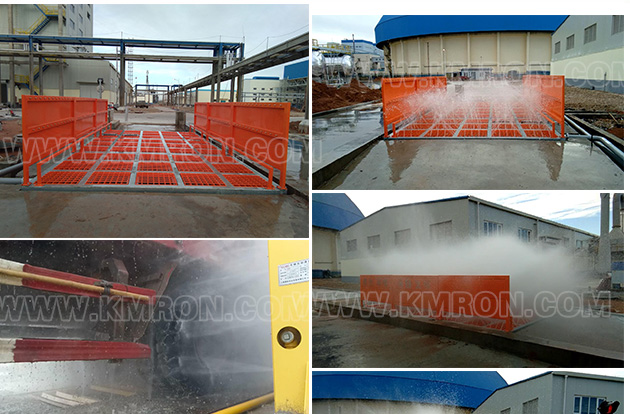
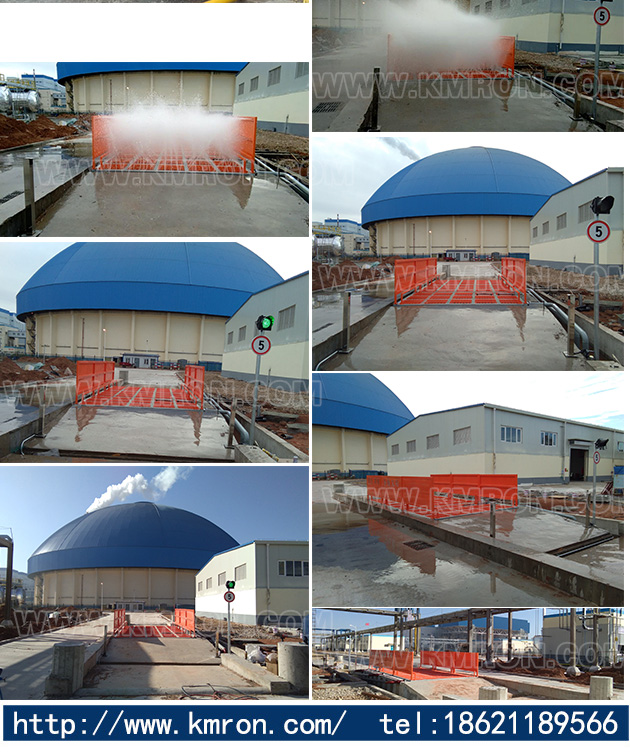
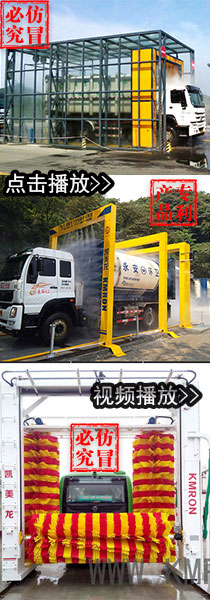
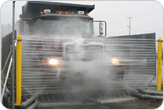
According to the characteristics of hazardous waste corrosion, toxicity, flammability, anti stress, and infectivity, Car Wash Equipment is required to either require materials and components to have anti-corrosion properties, or require functions to have Disinfection sterilization, or require electrical components to have explosion-proof capabilities. In summary, it is necessary to comply with the requirements of hazardous waste model setting and customization.
[Machine Model Recommended]
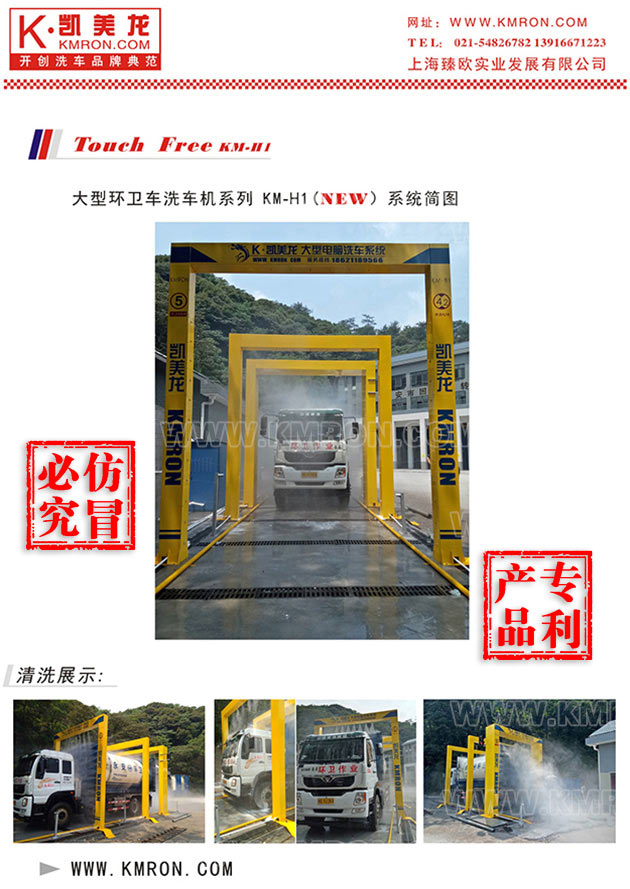
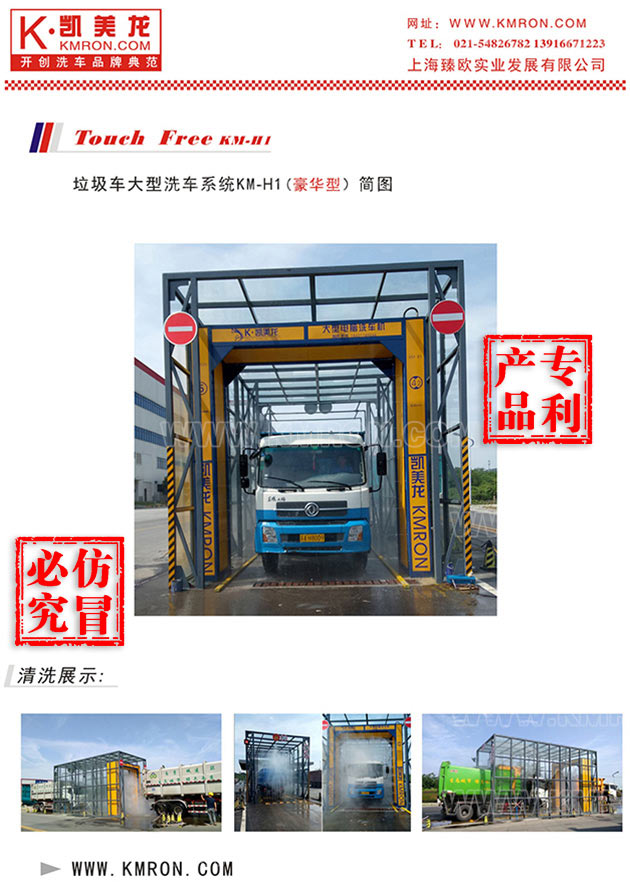
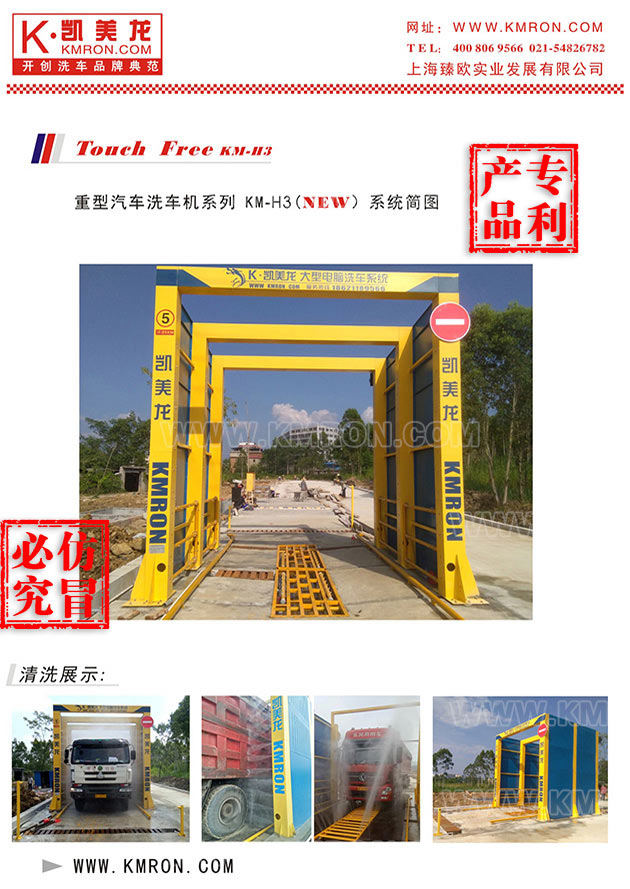
[Case shooting]
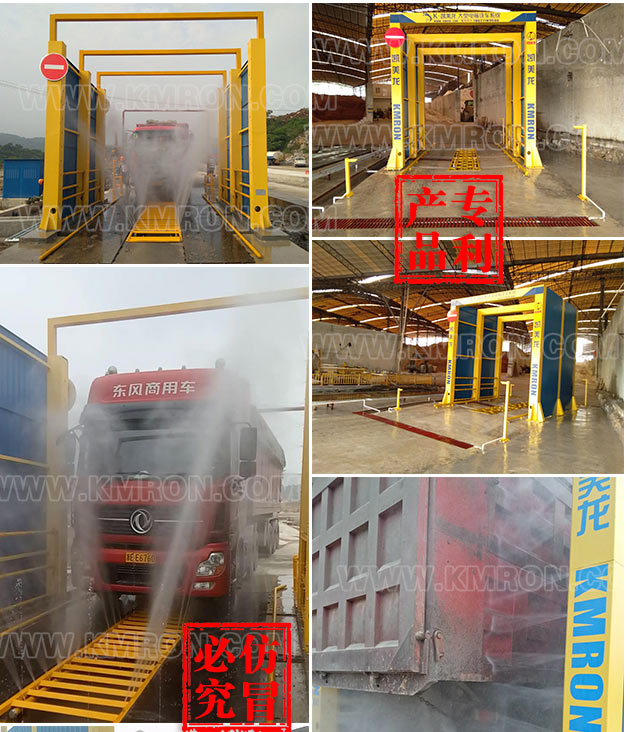
|









 _____
_____